Chapter 01

Maximizing the Cocktail Experience

Chapter 01 | Section 01

The Fruit

It all starts with the fruit! The world is filled with thousands of varieties and hundreds of types of fruit — the majority of which do not possess the qualities necessary to find their way into a Finest Call product. To maximize taste, Finest Call chooses its fruit according to ruthless criteria based on two very important factors: Fruit Variety and Ripeness.

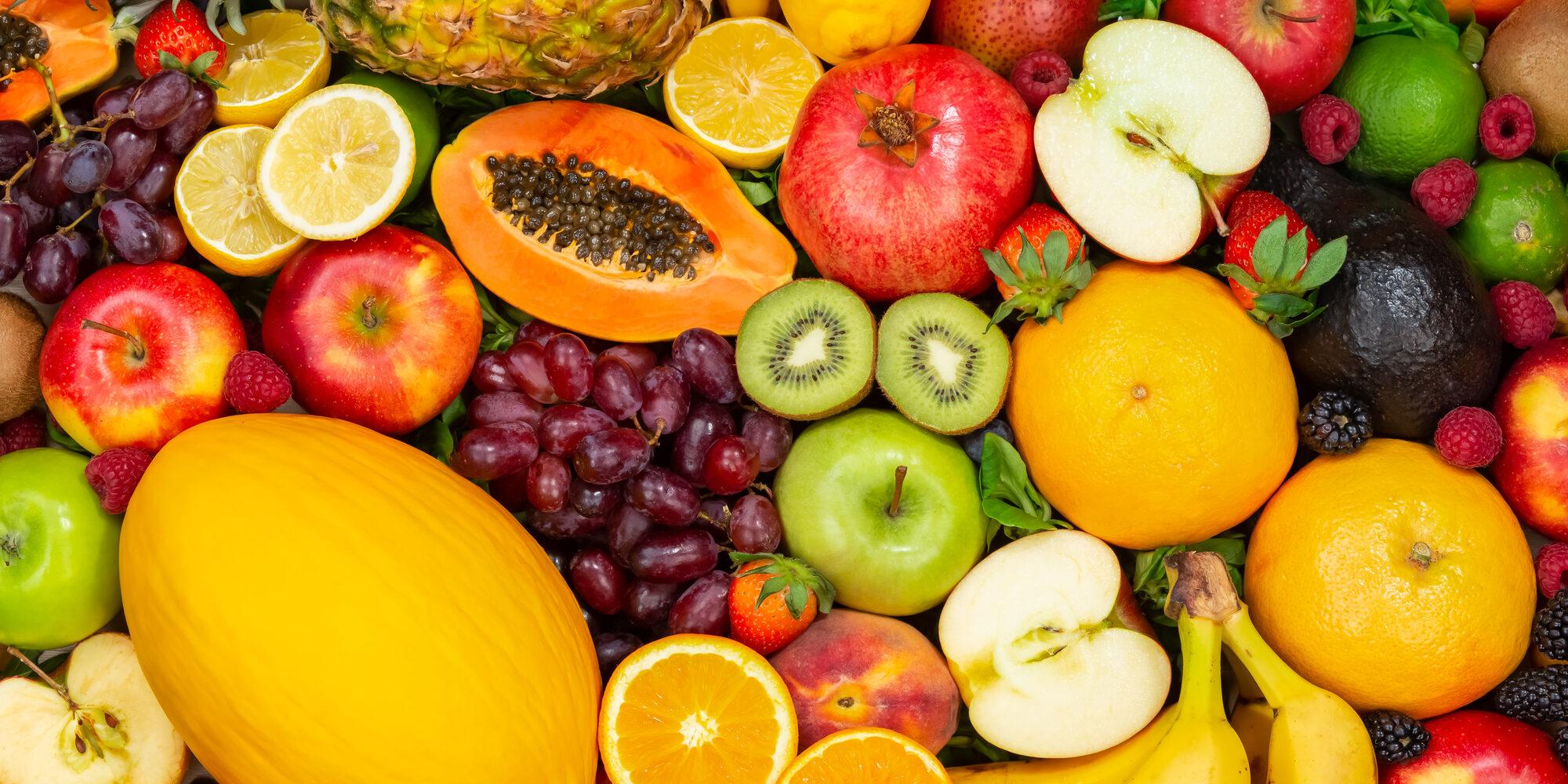
Assortment of fresh fruits

Fruit Variety

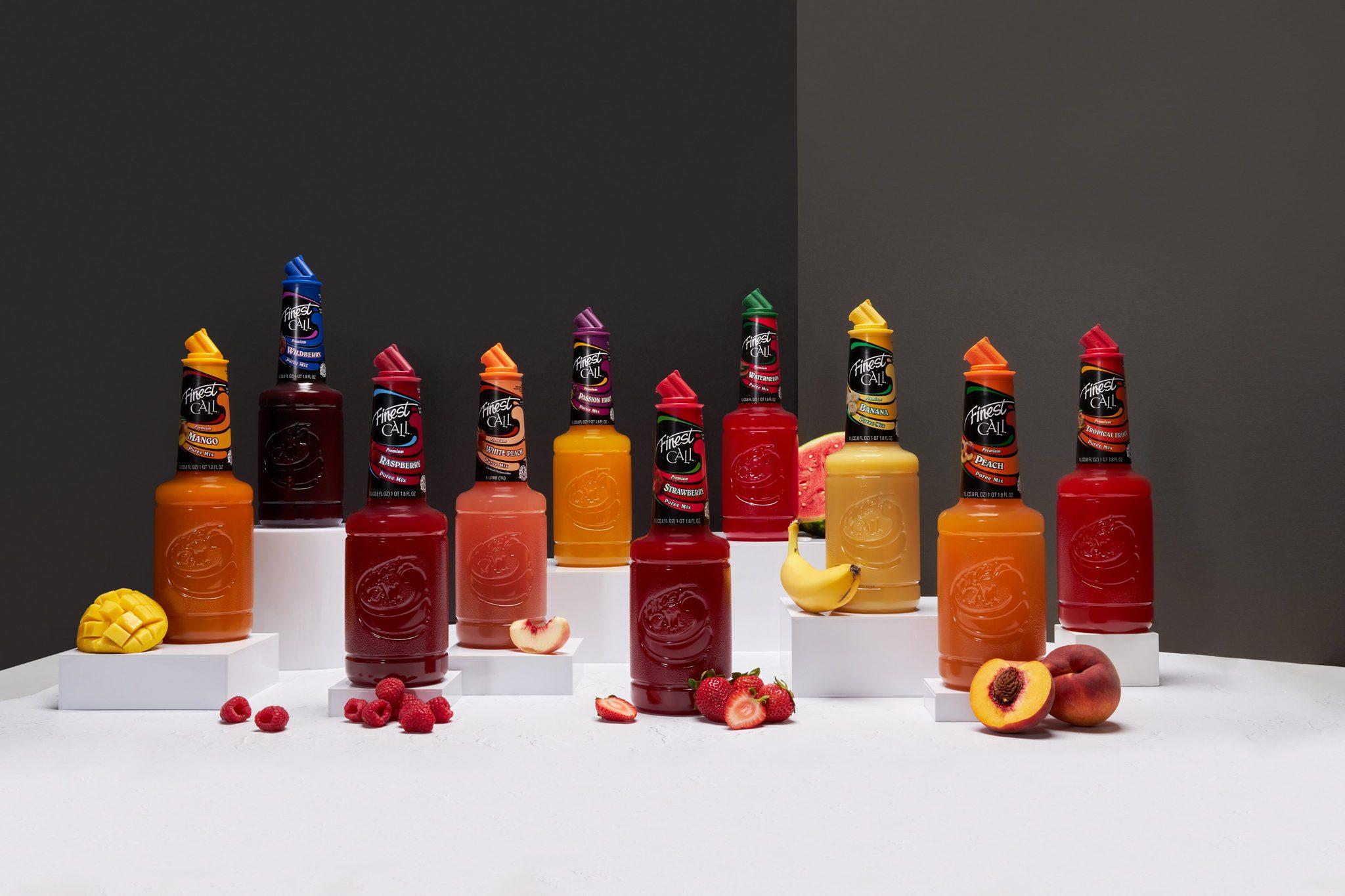
Of the dozens of known varieties of each fruit type, only one or maximum 2-3 of the most distinguished are approved for usage in a Finest Call product. First of all, only the world’s most renowned varieties truly elevate a cocktail experience. The list below contains a who’s who of the world’s most delicious fruit; while definitely not the least expensive, these varieties have earned a reputation for quality over generations.

The fact that Finest Call uses such a limited number of fruit varieties also guarantees consistency. As a bartender, you can count on the fact that each Finest Call product will taste the same… time after time.

Premium Varieties from Selected Growing Regions

Lemon
Variety:Lisbon, Eureka
Region:California
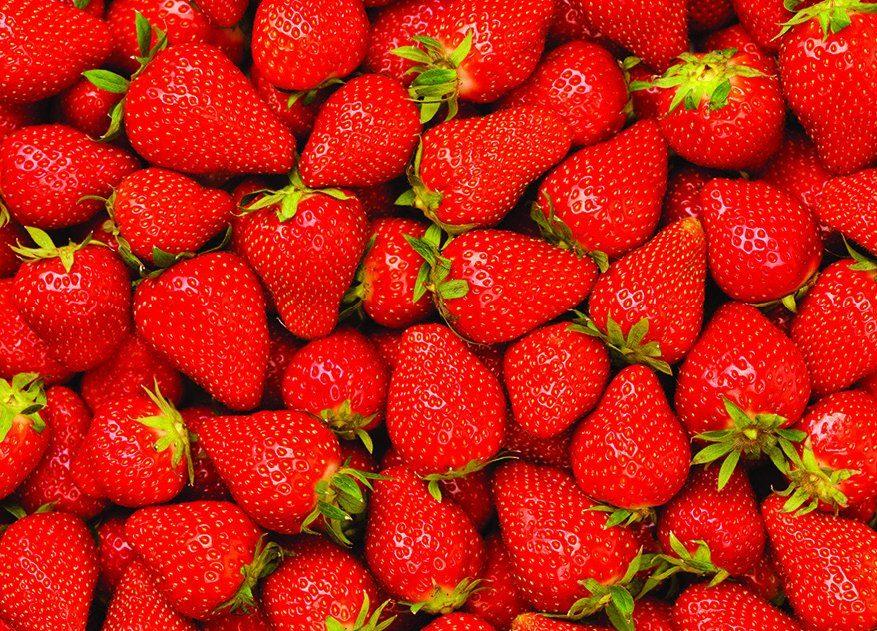
Strawberry
Variety:Carorosa, Venrana, Albion
Region:California
Mango
Variety:Alphonso
Region:India
Lime
Variety:Key, Persian
Region:Coastal Mexico
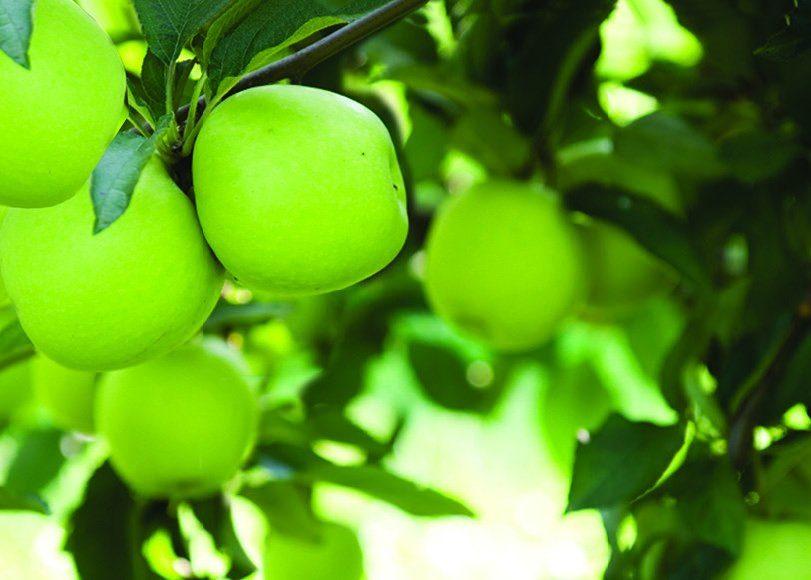
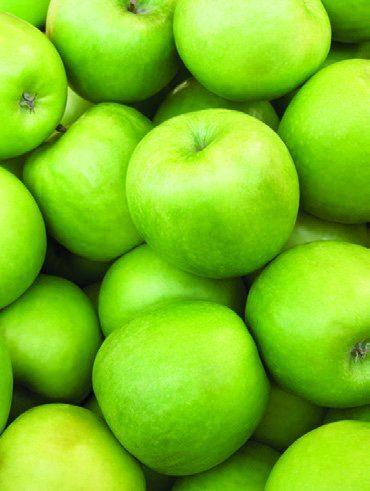
Apple
Variety:Granny Smith
Region:Pacific Northwest
Peach
Variety:Elegant Lady, Summer Lady, Rich Lady
Region:California
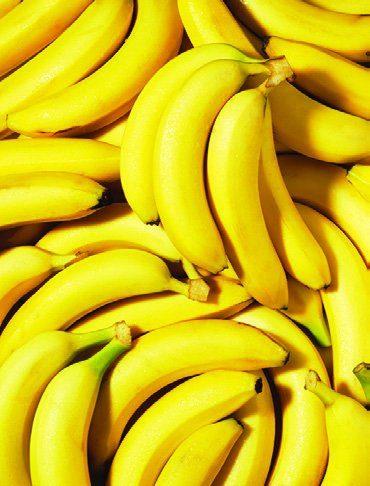
Banana
Variety:Cavendish
Region:Costa Rica
Raspberry
Variety:Willamette, Glen Clova
Region:Pacific Northwest
Passion Fruit
Variety:Dainong
Region:Vietnam
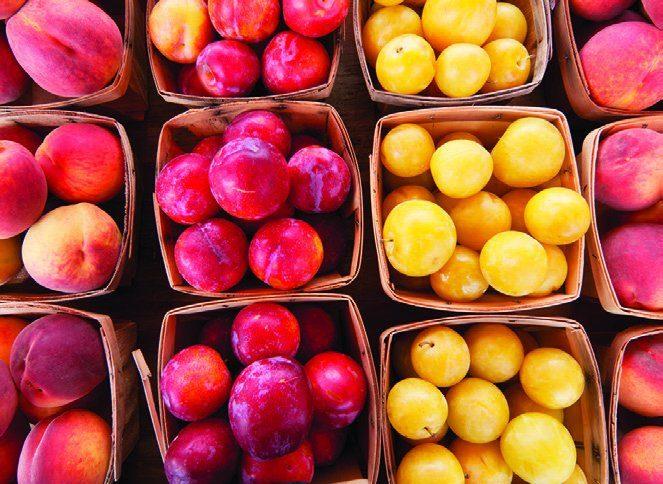
Plums and yellow fruit in wooden baskets

Ripeness

As everyone who has purchased fresh fruit at the produce section of the local grocery store knows, the ripeness of a given fruit differs depending on the time of year. While a fruit may be available for sale for a significant portion of the year, there will be a much more limited window during which it can be purchased fully ripened and capable of delivering its optimal sweet, succulent flavor.

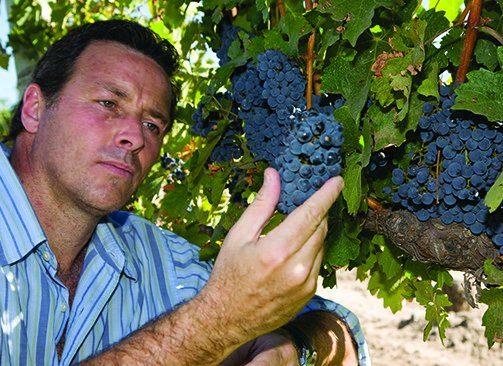
The fruit used in Finest Call is harvested in a very narrow window of time within the growing season. Only after a minimum sugar (Brix) level is measured does the ABM technical department give approval for the growers to begin collecting fruit for Finest Call. This exacting standard effectively guarantees that fruit harvested either too early or too late for optimal flavor never finds its way into a bottle of Finest Call.

Brix sugar-level measurement

Chapter 01 | Section 02

The Process

At Finest Call, every bottle starts with a commitment to quality and consistency behind the bar. From sourcing the best fruit varieties around the world to carefully processing each batch for peak flavor, every step is designed to deliver dependable performance for bartenders. The process below takes you inside how we bring those standards to life in every bottle.

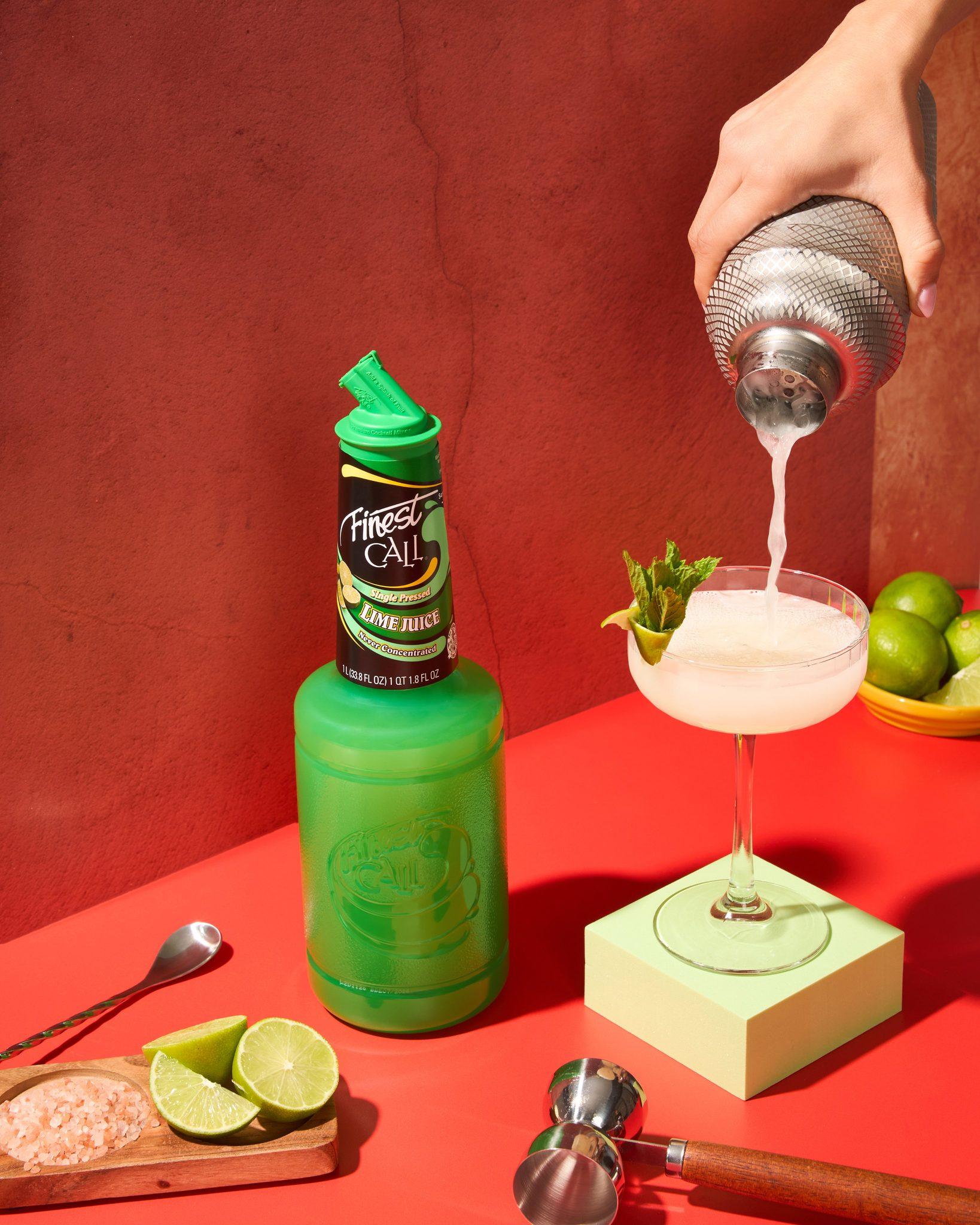
Finest Call Lime Juice bottle being mixed into a cocktail
Tomatoes being washed with gentle water spray

Proprietary Gentle Processing

It has been established that Finest Call uses only the finest varieties of fruit harvested from the most renowned growing regions across the world. This is necessary, but not sufficient to guarantee excellence. It does not matter how great the fruit is if the essential oils and unique flavors that make it special are destroyed during processing. The act of processing fruit involves a heating step which serves to destroy microbiological organisms capable of compromising quality. Most thermal processes are in excess of 200 degrees and damage the product by burning off volatile flavor oils, destroying color and generating an unmistakable “cooked” or caramelized aftertaste.

American Beverage Marketers has developed and implemented an exclusive gentle processing method which complies with FDA regulations. Essentially, this technology delivers more vibrant flavor, enhanced color and none of the cooked notes that are often prevalent in similar products. In addition, products processed using this method have shown a significantly longer shelf life. Due to this technology, Finest Call products retain the clean, fresh flavors found in premium fruit at the time of harvest — just as nature intended.
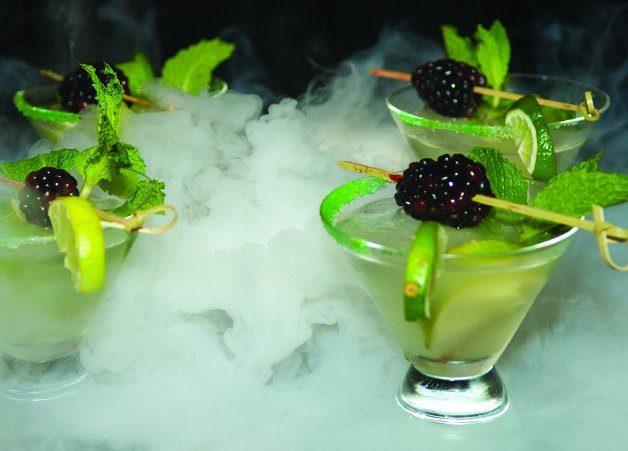
Cocktail glass with nitrogen vapor swirling

Nitrogen

Finest Call uses the world’s premier fruit picked only at peak ripeness and processes the fruit using its exclusive gentle processing method. However, this is not the final step taken to ensure that Finest Call delivers the ultimate cocktail experience. The number one factor that tends to degrade product in the bottle is oxidation, the bonding of oxygen molecules with elements within the product that can cause a harmful breakdown of essential flavor oils. The main potential source of oxidation is within the headspace — the area inside the bottle above the product fill line and below the cap.

Finest Call was the first cocktail mix brand in the world to introduce a nitrogen purge inside of the bottle. This process evacuates 99.9% of the oxygen from the headspace during the bottling process. Nitrogen is an inert gas which does not form bonds with other elements in nature — it keeps to itself. This factor makes it a perfect replacement for oxygen in an effort to minimize or eliminate oxidation.

A very small amount of liquid nitrogen is introduced into the bottle and immediately converts to gaseous nitrogen causing it to expand to almost 700 times its original volume. This expansion literally forces all of the oxygen out the top of the bottle, at which point a cap is applied, effectively converting the headspace into a 100% inert environment. The nitrogen purge enhances product flavor, helps to maintain vivid colors and lengthens product shelf life.

Chapter 01 | Section 03

Nature Enhanced

Finest Call products are designed first and foremost to maximize the consumer's overall sensory experience. This simply means that the consumer's product experience is the standard by which it is determined which ingredients go into the bottle. Finest Call does not strive to be "all-natural" because this often sacrifices the quality of the finished cocktail.

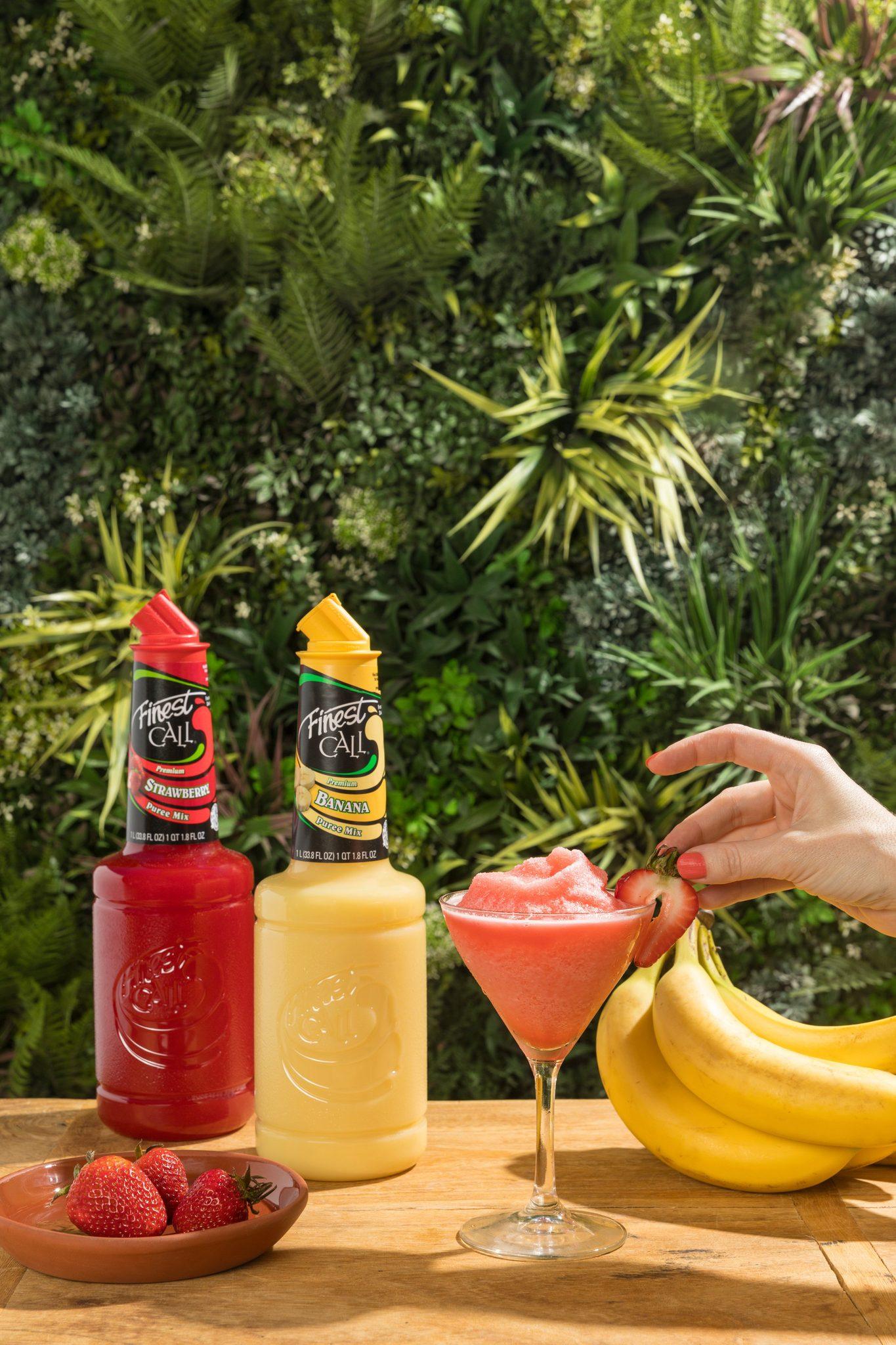
Cocktails against a lush tropical foliage backdrop

Preservatives

The preservatives used in Finest Call include benzoic acid, sorbic acid and sulfur dioxide. Unknown to many, all three of these preservatives occur naturally in various fruits, vegetables and spices. While the cost of extraction makes it exorbitantly expensive to use them in their natural form, scientists have successfully recreated these preservatives in a laboratory to such a degree that the chemical structures are identical.

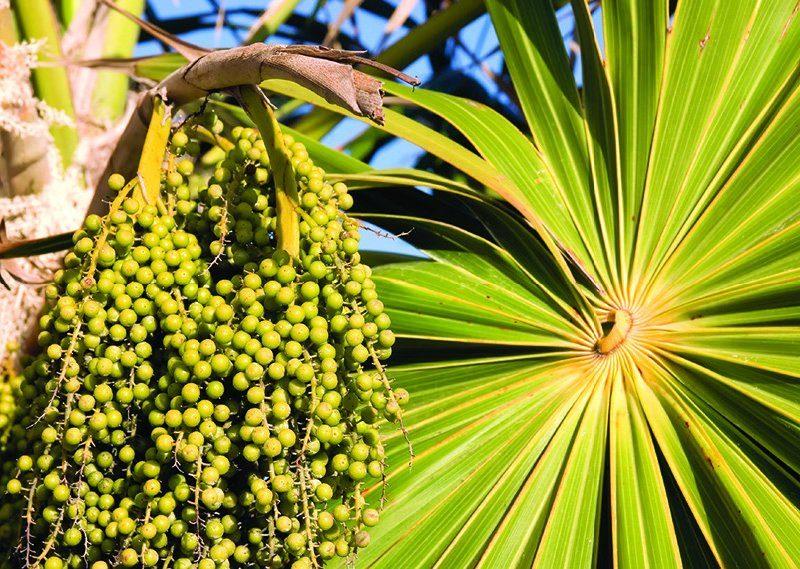
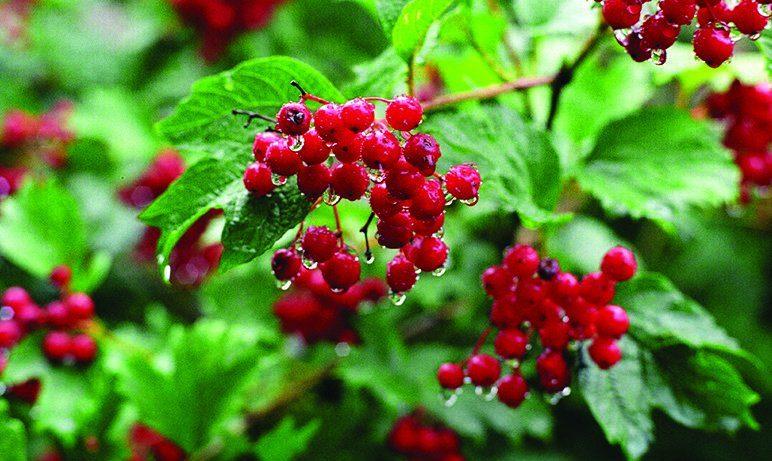
  • UNRIPENED BERRIES — SORBIC ACID

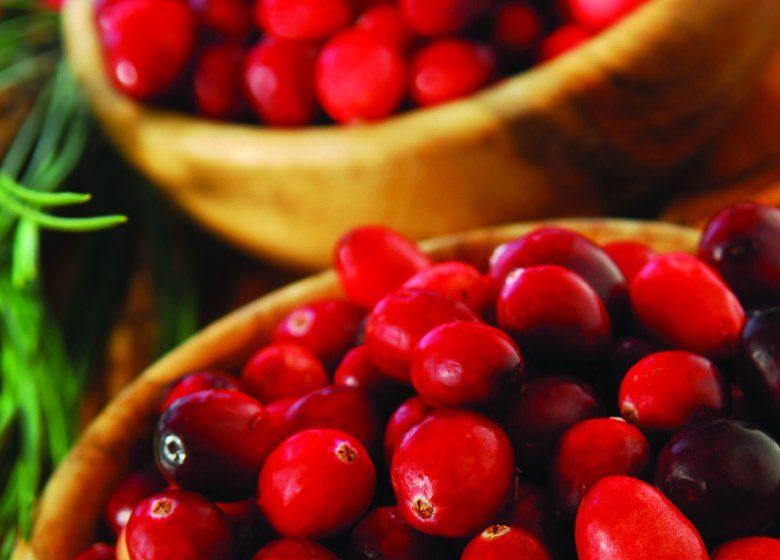
  • CRANBERRIES — BENZOIC ACID

  • Cranberries

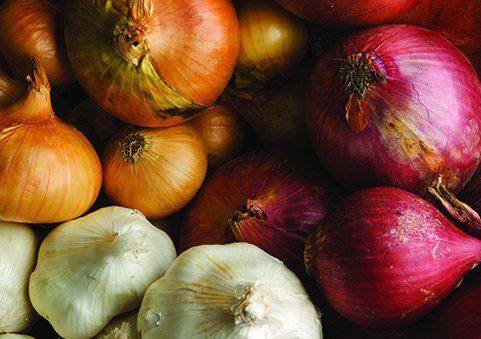
  • Onions/Garlic

  • Apples

The only reason they can’t be called natural is because they didn’t actually come from the fruit. It is these “exact replicas” that Finest Call uses at only 200 parts per million to help preserve its product. If these naturally-occurring preservatives are not present in a product, there is a risk of yeast and mold contamination after opening. Additionally, product without these preservatives typically needs to be processed at least 40–50 degrees higher in temperature than a similar product that is preserved. High-temperature processing leads to diminished fruit quality, a tendency toward browning, and a significantly shortened shelf life.

As we noted above, the standard for Finest Call products is to maximize the consumer’s overall sensory experience. Using an exact chemical replica of a naturally-occurring preservative, which so obviously enhances the user’s product experience, just makes sense. The brand is proud of its mission and the safe, efficacious preservatives it uses to achieve it.

Benzoic Acid
Cranberry, Apple
Yeast/Mold inhibitor
Sorbic Acid
Unripened berries
Yeast/Mold inhibitor
Sulfur Dioxide
Garlic, Onion, Sauerkraut, & 80% of Bottled Wine
Anti-oxidant

* The preservatives listed above represent the ingredients in their active form. The label declaration for each preservative reads as follows:

- sodium benzoate (which is converted to benzoic acid)

- potassium sorbate (which is converted to sorbic acid)

- sodium metabisulphite (which is converted to sulfur dioxide)

Colors

While flavor is properly considered the critical sensory standard by which to judge a cocktail, visual criterion such as the brilliance and consistency of color are also very important. A faded or slightly browned cocktail mix will not suffice.

While Finest Call uses only premium varieties of fruit harvested from the world’s premier regions, the naturally occurring colors will fade during transportation and processing. To compensate, Finest Call proudly uses a combination of natural and FD&C** colors to augment the real fruit and ensure that professional bartenders have the tools necessary to create visually attractive cocktails.

FD&C colors are safe, efficacious and truly functional ingredients that can replicate the brilliant colors found in fruit. They produce striking, vivid colors which are stable over time at remarkably low usage levels.

  • Ripened Red Strawberries

  • Beautiful Yellow Bananas

  • Gorgeous Green Apples

Natural colors can be very valuable and are used in certain Finest Call flavors, sometimes in conjunction with their FD&C counterparts, in order to give specific visual nuances to a product. They are essentially naturally-occurring chemicals extracted from plants or other natural sources specifically for their color. Finest Call is proud to use both natural and FD&C colors in its effort to maximize the overall sensory experience for its customers.

It should be noted that a reliance on only natural colors can sacrifice the visual appearance of the finished cocktail. While effective in certain applications, natural colors are typically more muted and dull than FD&C colors and will tend to fade more quickly. If used in excess in order to boost intensity, off-flavor notes are sometimes detected. Natural colors are important tools when used judiciously in certain flavor applications.

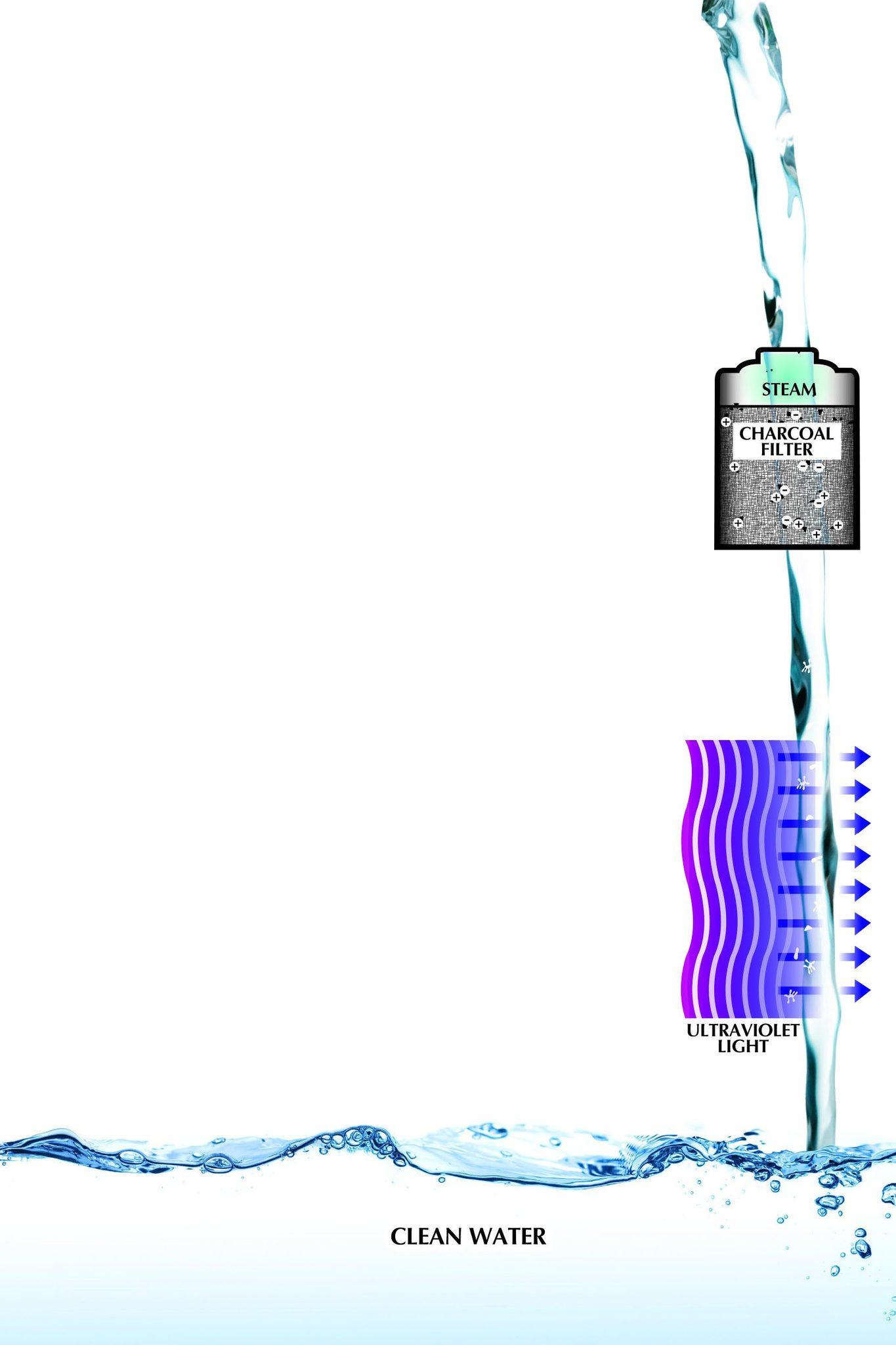
Water Filtration

No matter how many premium ingredients we are able to put into Finest Call, the finished product will always be in liquid form. This means that water quality is critical. Finest Call water passes through a two-step purification process that guarantees perfection even before the first ingredient is introduced.

Finest Call water treatment is based on the “multiple barrier concept” of purification. The process includes treatment for microorganisms, treatment to remove suspended and dissolved materials, treatment to eliminate minerals such as irons, chlorides and sulfates which contribute to off tastes and odors, and treatment to ensure high quality product appearance.

Carbon Filtration
The primary filtration method is carbon filtration. This system uses activated carbon to purify the water. Activated carbon has been treated with steam at very high temperatures, which creates within it millions of pores that yield large surface areas to which organic matter and minerals adsorb. The impurities dissolved in the water have either slightly negative or slightly positive charges. These charges cause adherence to the porous carbon structure and thus removal from the water. The water moves through a large carbon bed from top to bottom, rendering the water very clean when it comes out of the bottom of the filter.
Ultraviolet Light Treatment
Ultraviolet treatment destroys a wide spectrum of microorganisms and is used primarily as a precaution against the presence of bacteria and various molds and algae. It is time-tested technology within the beverage industry.
Diagram of water passing through charcoal filter and ultraviolet light treatment